Story Nib: A Strategic Typeface for Impactful Design
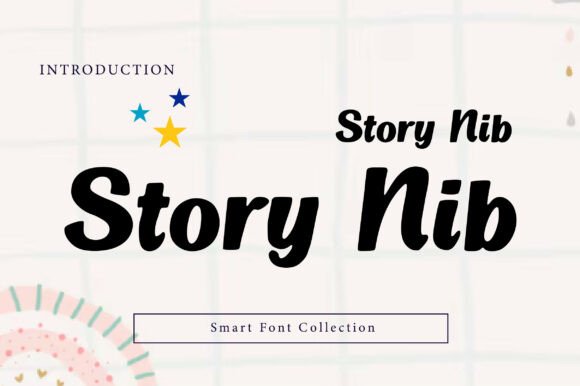
Story Nib is a heavy, bold script that combines the weight of a marker with the charm of a classic nib pen. This typeface feels substantial and trustworthy, making it an excellent anchor for any composition. With its smooth, thick strokes that transition into tapered ends, Story Nib creates a look that is both modern and timeless. Whether you are creating a bold logo or a headline for a magazine, Story Nib provides a strong foundation, ensuring that your most important words are seen and felt.
Why Choose Story Nib?
The strategic use of Story Nib can support a variety of goals, from enhancing brand identity to improving communication. Its robust and elegant design makes it an ideal choice for projects where impact and readability are paramount. For instance, in food packaging, Story Nib can draw attention to key product features, while in children’s book covers, it can evoke a sense of whimsy and quality.
Strategic Use Cases for Story Nib
- Branding: Story Nib is perfect for creating a strong, memorable brand identity. Its unique style can help your brand stand out in a crowded market.
- Headlines and Logos: The bold and impactful nature of Story Nib makes it an excellent choice for headlines and logos, where clarity and presence are essential.
- Environmental Graphics: In settings like libraries or classrooms, Story Nib can be used for signage, combining readability with a touch of character.
Planning and Positioning with Story Nib
When integrating Story Nib into your design, consider the overall message and tone you want to convey. For example, if you are designing a community-focused branding campaign, Story Nib can add a sense of trust and reliability. Pair it with lighter, more airy serif fonts to create a balanced and professional hierarchy. This combination not only enhances readability but also adds a layer of sophistication to your design.
Tips for Effective Use of Story Nib
- Define Your Goals: Before using Story Nib, clearly define what you want to achieve. Is it to grab attention, convey a message, or build a brand? Understanding your goals will guide your design decisions.
- Consider Context: The context in which Story Nib is used is crucial. For instance, in a children’s book, the font should be playful and engaging, while in a professional setting, it should exude trust and authority.
- Balance and Hierarchy: Use Story Nib as a focal point, but balance it with other fonts to create a clear visual hierarchy. This ensures that the most important information stands out without overwhelming the reader.
Potential Risks and Considerations
While Story Nib is a powerful tool, using it without clear goals or context can lead to a disjointed and confusing design. For example, overusing Story Nib in a document can make it difficult to read, diminishing the overall user experience. Additionally, it may not be suitable for body text, where a more legible and less decorative font is preferable.
Long-Term Value and Decision-Making
Using Story Nib intentionally can have long-term benefits for your brand and projects. It can help establish a consistent and recognizable visual identity, which is crucial for building trust and loyalty. When making decisions about when and how to use Story Nib, consider the following:
- Audience: Who is your target audience, and what will resonate with them? Tailor your use of Story Nib to meet their expectations and preferences.
- Brand Alignment: Ensure that Story Nib aligns with your brand’s values and aesthetic. Consistency is key in maintaining a strong brand image.
- Readability and Accessibility: Prioritize readability and accessibility. While Story Nib is visually striking, it should not compromise the ability of your audience to understand and engage with your content.
By thoughtfully incorporating Story Nib into your design strategy, you can create impactful and memorable experiences that support your long-term goals and objectives. Whether you are a marketer, designer, or business owner, Story Nib offers a versatile and powerful way to tell your story and connect with your audience.